Rain Gardens in Small Spaces: A Complete Guide
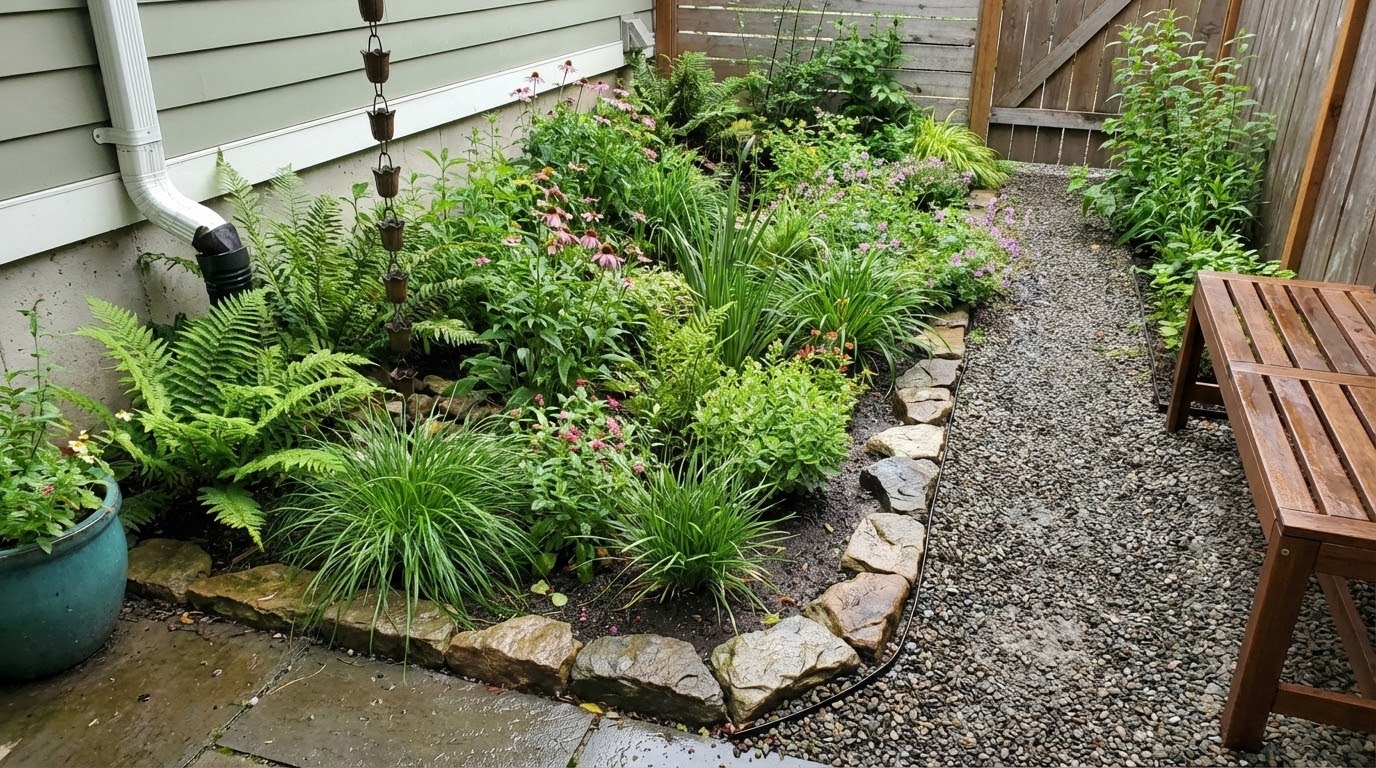
Traditional rain gardens require yards, but the principles of rainwater capture work beautifully in containers and small spaces. Here’s how to create a sustainable water feature on any balcony or patio.
What Is a Rain Garden?
A rain garden is designed to capture and absorb rainwater, filtering it naturally through soil and plants rather than letting it run off. Benefits include:
- Free water for your plants
- Reduced demand on municipal water systems
- Natural filtration removes pollutants
- Creates habitat for beneficial insects
Small Space Adaptations
Container Rain Gardens
Large containers with drainage can function as mini rain gardens. Position them under roof runoff points or use small collection surfaces to direct water into them.
Rain Chains to Planters
Replace downspouts with decorative rain chains that direct water into large planted containers. Beautiful, functional, and musical in the rain.
Self-Watering Systems
Connect rain barrels to drip irrigation for automated rainwater distribution. Even a 5-gallon bucket can supplement weekly watering needs.
Best Plants for Container Rain Gardens
Choose plants that tolerate both wet and dry periods:
- Sedges: Grass-like, loves moisture
- Ferns: Thrives in varying moisture levels
- Cardinal flower: Stunning red blooms, attracts hummingbirds
- Blue flag iris: Elegant, handles wet feet
- Sweet potato vine: Dramatic trailing foliage
Setting Up a Balcony Rain Collection
- Identify where water naturally collects during rain
- Position a waterproof container at that point
- Add drainage layer (gravel) at the bottom
- Fill with quality potting mix
- Plant with rain-tolerant species
- Ensure overflow drainage to prevent flooding
Managing Overflow
In heavy rain, containers can overflow. Plan for this:
- Drill overflow holes near the top of containers
- Connect overflow to secondary planters
- Position containers where overflow won’t cause problems
- Use quick-draining soil mixes
“Every drop of rainwater you capture is one you don’t pay for—and one that doesn’t carry pollutants into waterways.”
Pet Safety with Rain Gardens
For pet owners, standing water requires extra consideration:
- Avoid stagnant water where mosquitoes breed
- Use fast-draining systems rather than standing pools
- Choose pet-safe plants only
- Ensure containers are stable and can’t be tipped
Maintenance Tips
- Clean collection surfaces of debris regularly
- Refresh mulch or gravel topping seasonally
- Divide plants when they outgrow containers
- Check drainage during dry spells
Rain gardens prove that sustainable gardening works at any scale. Start capturing rainwater on your balcony, and you’ll be amazed at how much free water falls from the sky.
This article may contain affiliate links. Read our affiliate disclosure for more information.