Smart Watering Systems for Busy Pet Owners
Between work, life, and caring for pets, remembering to water your plants can feel like one thing too many. Smart watering systems solve this problem—and they come with added benefits for pet owners that you might not expect.
Why Smart Watering Works for Pet Owners
Automated watering isn’t just about convenience. For pet owners, it offers unique advantages:
- Consistent moisture levels: Prevents standing water that curious pets might drink
- No more forgotten plants: Travel without worrying about your garden
- Reduced overwatering: Soil stays healthy, preventing pest problems
- Time-controlled delivery: Water when pets are sleeping or indoors
Types of Smart Watering Systems
1. Self-Watering Containers
The simplest option. These planters have built-in reservoirs that wick water to plant roots as needed. Perfect for individual plants or small collections. Fill the reservoir weekly and forget about daily watering.
2. Drip Irrigation Kits
Connect multiple plants to a single water source with thin tubing and drip emitters. Add a timer for fully automated watering. Ideal for balcony gardens or larger collections.
Smart Soil Moisture Monitor
Get phone alerts when plants need water. Track moisture, light, and temperature for each plant.
Shop Now →3. Smart WiFi Controllers
Connect to existing hoses or irrigation systems and control from your phone. Set schedules, adjust for weather, and monitor water usage remotely. Some even integrate with smart home systems like Alexa or Google Home.
4. Sensor-Based Systems
The most advanced option. Soil moisture sensors trigger watering only when plants actually need it. Prevents both overwatering and underwatering—the two most common causes of plant death.
Pet Safety Considerations
When installing smart watering, keep these pet-safe practices in mind:
- Secure tubing: Pets may chew on exposed irrigation lines. Use conduit or run tubing behind planters.
- Check water quality: If using reservoir-based systems, refresh water weekly to prevent bacteria growth.
- Avoid puddles: Configure drip rates to prevent standing water that attracts pets.
- Elevated systems: Mount controllers and batteries out of pet reach.
Budget Options vs. Premium Systems
You don’t need to spend a fortune to automate watering:
Budget-Friendly ($20-50)
- Self-watering planters
- Basic drip kits with mechanical timers
- Water globes for individual plants
Mid-Range ($50-150)
- WiFi-enabled irrigation timers
- Multi-zone drip systems
- Smart soil moisture monitors
Premium ($150+)
- Full smart garden systems with integrated lighting and watering
- Whole-home irrigation controllers
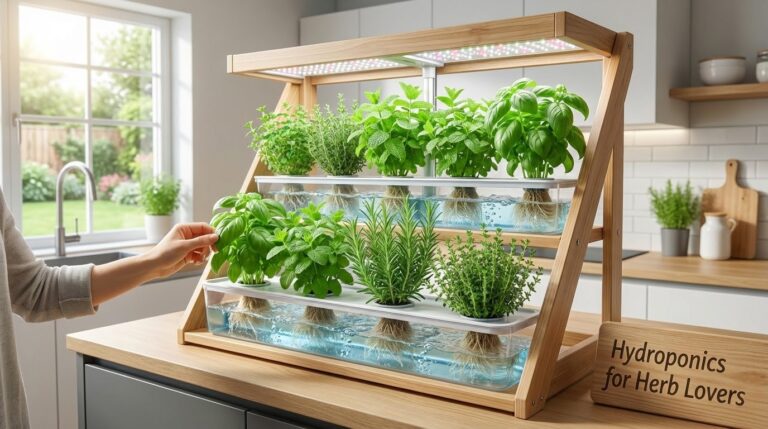
- Hydroponic systems with automated nutrient delivery
“The best watering schedule is the one you don’t have to remember. Automation removes the guilt and keeps plants thriving.”
Setting Up Your First System
Ready to automate? Here’s a simple starting point:
- Count your plants and note their watering needs
- Choose between individual (self-watering) or connected (drip) systems
- If using drip irrigation, measure distances and plan tubing routes
- Install during a time when pets can be kept away (initial setup only)
- Test the system and adjust flow rates before leaving plants unattended
Smart watering is a game-changer for busy plant parents—especially those juggling pet care too. Start simple with self-watering containers, or go all-in with a connected system. Either way, your plants (and your schedule) will thank you.
This article may contain affiliate links. Read our affiliate disclosure for more information.
Keep Reading
 Lighting
 Hydroponics
 Pet Safety