Pet-Proof Pest Control Hacks That Actually Work

Garden pests are frustrating, but traditional pesticides can be dangerous for your four-legged family members. The good news? There are plenty of effective, natural alternatives that keep pests away without putting your pets at risk.
Why Traditional Pesticides Are Dangerous for Pets
Many commercial pesticides contain chemicals like organophosphates, carbamates, and pyrethroids that can cause serious illness in cats and dogs. Symptoms of pesticide poisoning include:
- Excessive drooling and vomiting
- Difficulty breathing
- Seizures and tremors
- Loss of appetite
- Skin irritation
Natural Pest Control Methods
1. Neem Oil Spray
Neem oil is derived from the neem tree and is safe for pets when diluted properly. It disrupts pest feeding and reproduction without harming beneficial insects. Mix 2 tablespoons of neem oil with 1 gallon of water and spray on affected plants weekly.
2. Diatomaceous Earth
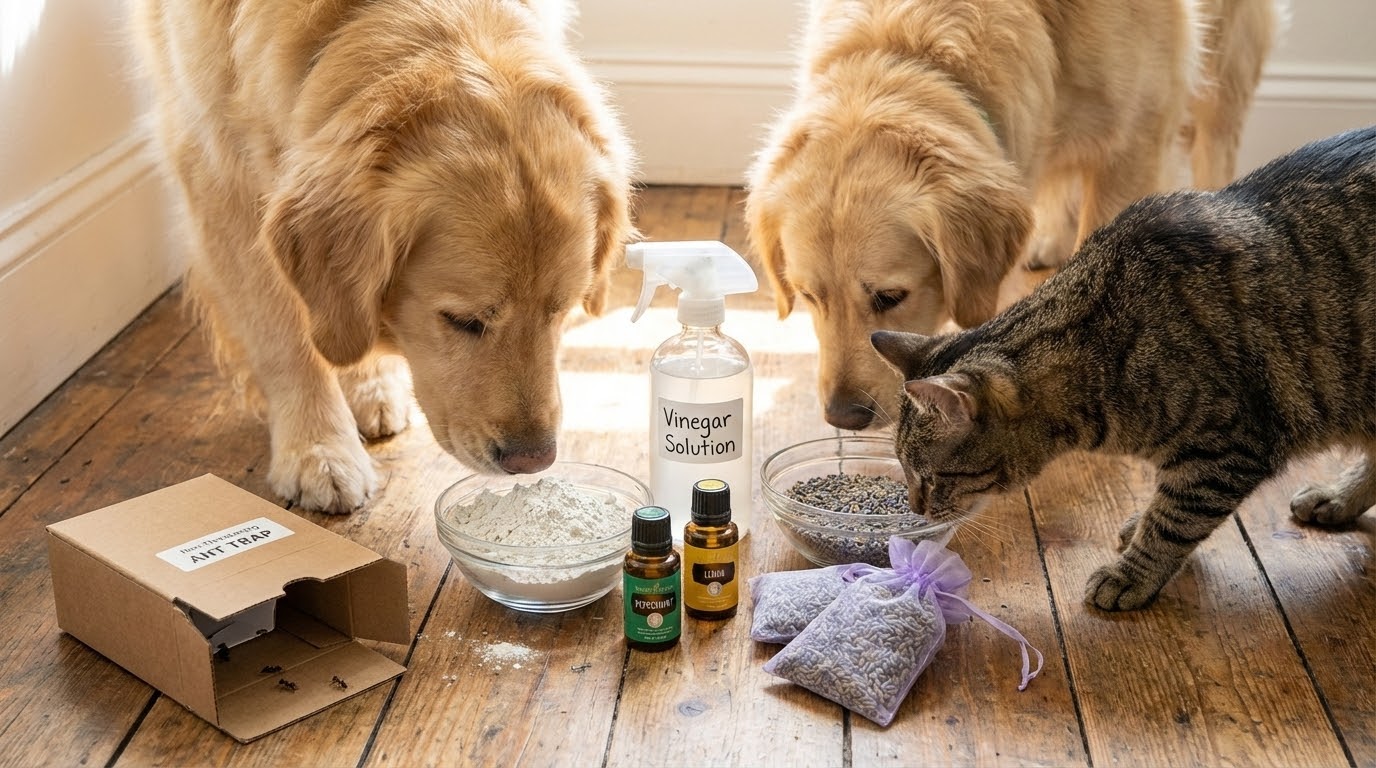
This fine powder made from fossilized algae kills soft-bodied insects by damaging their exoskeletons. Use food-grade diatomaceous earth (not pool-grade) and apply to soil surfaces. It’s safe if pets accidentally ingest small amounts.
3. Companion Planting
Some plants naturally repel pests. Plant these alongside your vegetables and herbs:
- Marigolds: Repel aphids, mosquitoes, and nematodes
- Basil: Deters flies and mosquitoes
- Lavender: Repels moths, fleas, and flies
- Mint: Discourages ants and aphids

Complete Pet-Safe Kit
Our Pet-Safe Pest Control Kit includes neem oil, diatomaceous earth, and natural soap spray—everything you need for comprehensive protection.
Shop Now →4. Beneficial Insects
Fight bugs with bugs! Ladybugs eat aphids, lacewings consume mites, and parasitic wasps target caterpillars. You can purchase these insects and release them into your garden for natural, ongoing pest control.
5. Physical Barriers
Sometimes the simplest solutions work best:
- Row covers to protect plants from flying insects
- Copper tape around containers to deter slugs
- Yellow sticky traps for fungus gnats
- Mesh netting for larger pests
What to Avoid
Even some “natural” products can be harmful to pets:
- Garlic and onion sprays: Toxic to cats and dogs
- Cocoa mulch: Contains theobromine (like chocolate)
- Essential oil concentrates: Many are toxic to cats
- Snail baits with metaldehyde: Extremely dangerous
Creating a Pet-Safe Zone
If you must use stronger treatments in certain areas, create boundaries:
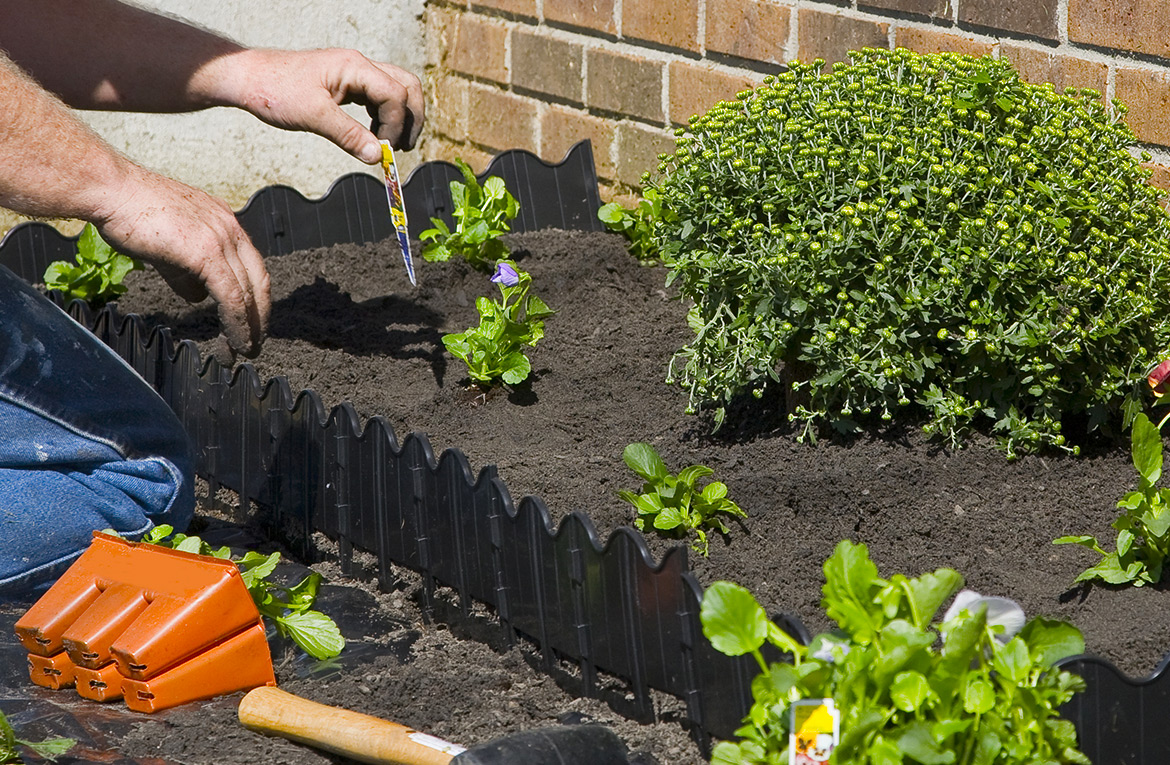
- Use raised beds or container gardens that are harder for pets to access
- Install decorative fencing around treated areas
- Apply treatments when pets are indoors and allow proper drying time
- Consider elevated planters that keep plants out of reach
“The healthiest gardens work with nature, not against it. Integrated pest management protects both your plants and your pets.”
Prevention is Key
The best pest control is prevention:
- Keep your garden clean and remove dead plant material
- Water in the morning to reduce humidity-loving pests
- Inspect new plants before bringing them into your garden
- Maintain healthy soil with compost and proper nutrition
- Rotate crops to prevent pest buildup
With these natural methods, you can maintain a thriving, pest-free garden that’s completely safe for your furry companions. For more pet safety information, check out our comprehensive Pet Safety Guide.
This article may contain affiliate links. Read our affiliate disclosure for more information.